
About Us
First Nations Education Authority
The First Nations Education Authority (FNEA), which became operational on July 1, 2022, is a regulatory body that assists Participating First Nations (PFNs) in developing the capacity to provide K-12 education on First Nation land.
FNEA’s Mandate
FNEA’s mandate is to support Participating First Nations exercise jurisdiction over their education systems. It is also the Participating First Nations who appoint the directors who oversee FNEA. Key areas of jurisdiction have been collaboratively developed by First Nations, which will be jointly exercised and regulated by PFNs through FNEA. These areas are:
- Certification and regulation of teachers
- Certification of schools operated by, or on behalf of, the First Nation
- Graduation requirements, and the granting of graduation certificates
- Approval of courses required for graduation from a PFN school
Participating First Nations
As of July 1, 2023, seven PFNs have signed education jurisdiction agreements with Canada. Other First Nations have expressed interest and the number of PFNs will likely increase in years to come:
- ʔaq̓am
- Cowichan Tribes
- Ditidaht First Nation
- Líl̓wat Nation
- Sq’éwqel
- Sḵwx̱wú7mesh Úxwumixw
- Tsq̓éscen̓ First Nation
FNEA Executive
- President: Yvonne Wallace
- Vice-President: Anthoula Jackart
- Secretary – Treasurer: Karen Smith
Participating First Nation
Director(s)

Karen Smith

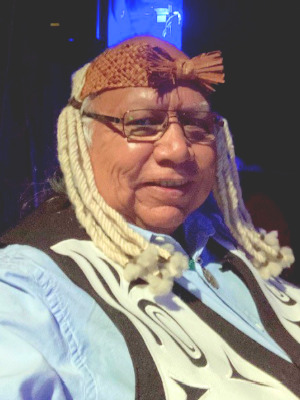
Calvin Swustus Sr.
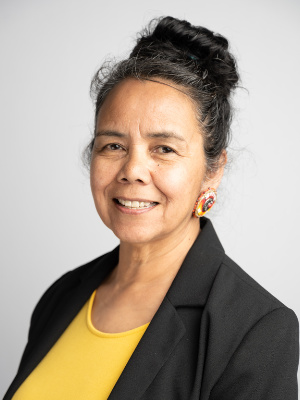
Terri Allen

Anthoula Jackart
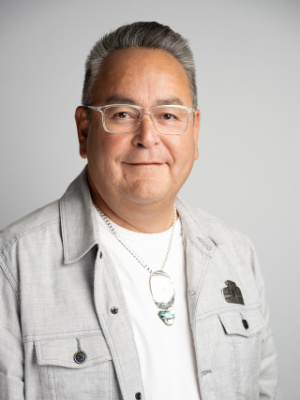
Derek Thompson

Verna Stager

Yvonne Wallace

Barbara White
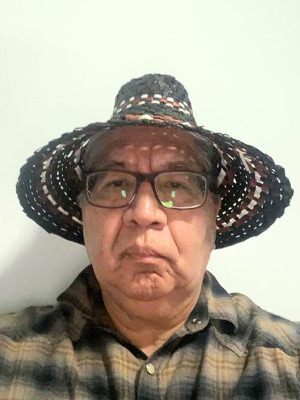
Rodney Peters

Kirsten Baker-Williams
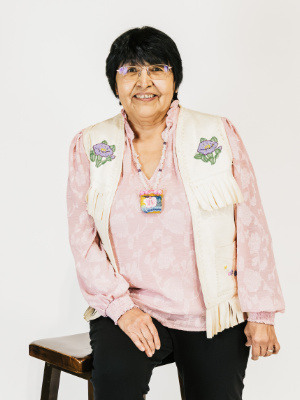
Mary Anne Archie

Michelle Archie
About the Education Jurisdiction Initiative
The education jurisdiction initiative refers to the collective work amongst First Nations in BC, the First Nations Education Authority (FNEA), the First Nations Education Steering Committee (FNESC), Canada, and BC to support First Nations’ exercise of law-making authority (jurisdiction) over their education on First Nations land.
The jurisdiction initiative involves the creation of processes and mechanisms, through legislation and a suite of agreements, that enable the exercise of jurisdiction over education.
The key foundation for the jurisdiction initiative is the Canada – First Nation Education Jurisdiction Agreement, which is a sectoral self-government agreement between individual Participating First Nations (PFNs) and Canada.
History
First Nations in BC have been working to have jurisdiction over their education recognized by Canada and BC for over two decades. The first milestone was reached when Canada, BC, and the First Nations Education Steering Committee (FNESC) signed a Memorandum of Understanding in 2003.
A number of agreements have been signed over the years, along with the passing of federal and provincial enabling legislation.
In May 2022, Canada and four First Nations signed individual Canada-First Nation Education Jurisdiction Agreements. These agreements came into effect on July 1, 2022 and the four First Nations officially became Participating First Nations:
- ʔaq̓am
- Líl̓wat Nation
- Sq’éwqel
- Cowichan Tribes
On July 1, 2022, the First Nations Education Authority (FNEA) became formally operational, as a body with regulatory functions, to assist Participating First Nations (PFNs) in developing the capacity to provide education on First Nation land.
On July 1, 2023, three more First Nations signed individual Canada – First Nation Education Jurisdiction Agreements and became Participating First Nations:
- Tsq̓éscen̓ First Nation
- Ditidaht First Nation
- Sḵwx̱wú7mesh Úxwumixw
Media/News Releases
- Four BC First Nations conclude self-government agreements regarding education – July 11, 2022
- Statement in support of Education Jurisdiction Agreements in British Columbia – August 10, 2023
Video: First Nations Jurisdiction Over Education – BC Public Service
First Nations Education Jurisdiction Celebration at Seabird Island, July 2022
